Mary Etta Boitano Blanchard
No one today would recommend that a six-year-old child run a marathon. In fact, most major marathon organizers set a minimum age limit of 18, primarily due to safety, liability, and the physiological strain that extreme distance running puts on growing bones and joints.
Back in 1969, however, Mary Etta Boitano Blanchard ran her first marathon at age six–she attempted a marathon at age five but dropped out at Mile 20–finishing in 4:27:32. At age ten, she ran a 3:01:15. By the time she was 12, Mary Etta had completed 50 marathons.
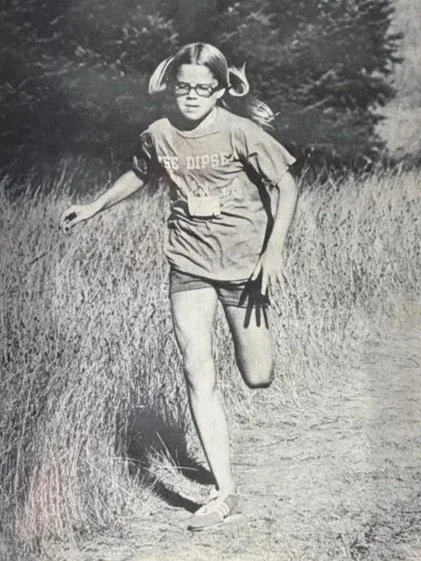
Her family's running journey began in 1967, when her father’s doctor advised him to start exercising to undo the effects of 25 years of smoking. Wanting an activity the entire family could enjoy together, he chose running. The Boitanos soon became a dedicated running family, logging up to 20 miles a week up and down the hills of San Francisco. Mary Etta was just four years old, and she loved it. “Our whole life was running and keeping fit,” she recalls.
Mary Etta and her brother, Mike, would run an uphill mile to school and a mile back. When their father got home from work, the family would head out for another 15 miles. “I had endless energy and loved running through Golden Gate Park,” she recalls.
At age 5, she was the first female finisher at the iconic Dipsea Race, a grueling 7.4-mile run along the rutted, rocky trails of Muir Woods in Mill Valley, California. She has since run Dipsea over 35 times, and today she participates alongside her husband and sons. Another milestone came when she won the Bay to Breakers 12K race at just six years old. And another when she placed fourth at the 1974 Women’s National Marathon Championships. These unprecedented achievements earned her a spot on the cover of Runner’s World magazine and an appearance on the television show What’s My Line?
When Mary Etta first began running, women distance runners were a rare sight. On occasion, she and her mother, Mary Lucille, faced harassment and were even pelted with tomatoes and eggs. To avoid unwanted attention, Mary Etta often tucked her long blonde braids under a cap so onlookers would mistake her for a boy.
Despite the unusual routine, she feels she had a normal childhood. She was doing what she loved and never felt like she was missing out. “I was pretty much able to do whatever I wanted,” she says, “though my parents didn’t let me ice skate or ski for fear of falling and hurting my legs.”
By the time Mary Etta entered college, her competitive running career had wound down. She ran cross-country at San Francisco State University for fun and socialization and later became a nurse.
Her legacy extends beyond her race times. She and her mother worked tirelessly to persuade the AAU to allow women to compete in distances longer than 1500 meters. They were determined to end the era when women runners had to sneak into races or register using only their initials to disguise their gender.
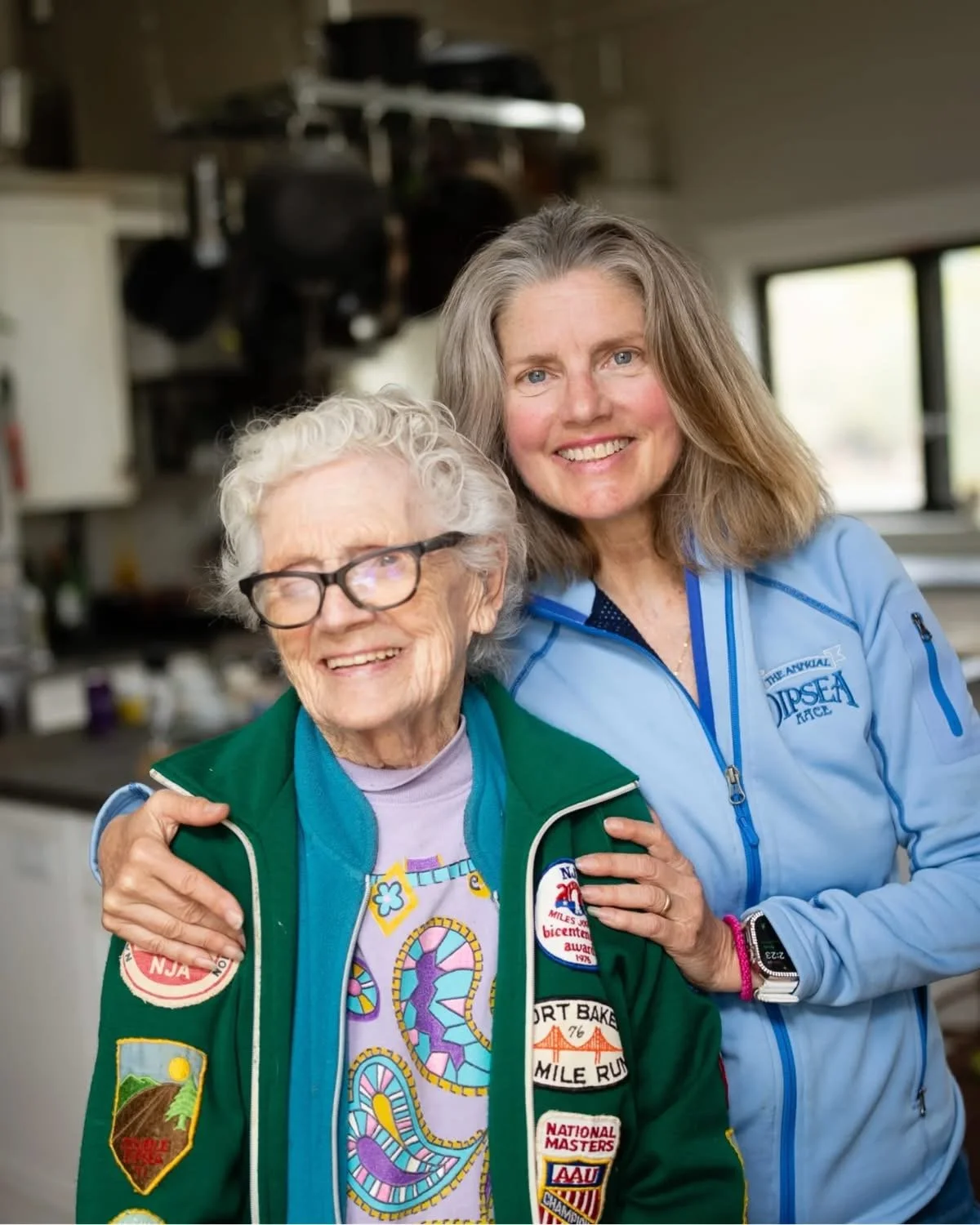
Despite logging extreme mileage at such an early age, Mary Etta suffered no lasting joint or bone injuries. “I got lucky with good genes,” she says. Her 103-year-old mother set a world record in the 5K at age 95. Today, at age 63, Mary Etta has no signs of osteoporosis or arthritis. “I eat healthy foods and have never smoked or drank alcohol,” she explains.
Looking back, she wouldn't change her past, though she views her childhood mileage a bit differently: “I wouldn’t change anything. However, I don’t think it was wise for me to run so much distance as a kid, and I don’t condone that now. There’s too much evidence that it isn’t good for bone development.”
At 63, Mary Etta still logs 40 to 50 miles a week, gardens, loves to cook, and continues her tradition with the Dipsea. “I love the running community. I love how we cheer as loudly for the last person to cross the finish line as we do for the winner. It is a welcoming group of people,” she says. “Running is my therapy. It’s how I get my ya-yas out and feel great afterwards.”
Her philosophy is simple: enjoy what you do, pursue life with vigor, and if all else fails, go for a run.
Note about the author: Gail Waesche Kislevitz is an award-winning journalist and the author of six books on running and sports. She was a columnist for Runner’s World for fifteen years and her freelance work has appeared in Shape, Marathon and Beyond, and New York Runner.