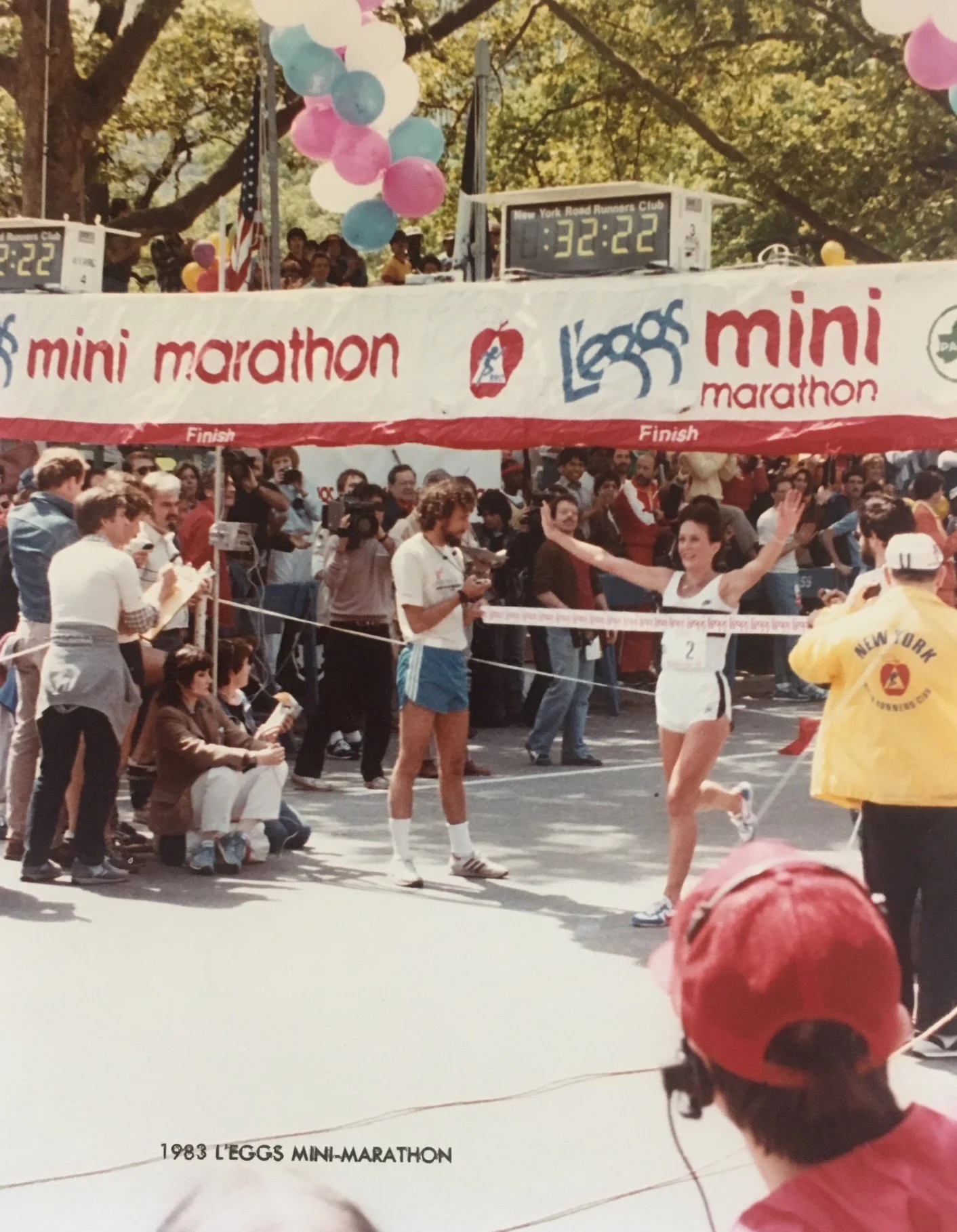
New Zealand athlete Anne Audain knows what it means to overcome obstacles. Born with a bone deformity in both feet, she wasn't able to walk properly until after she had corrective surgery when she was 13 years old. After a long recovery, Audain hit the ground running — literally. She started with a local track and field club in Auckland, which was open to people of all ages. It quickly became evident that Audain had talent, and she qualified for the 1972 Munich Olympic Games in the 1,500 meters at age 16. However, she was told she was too young to compete at that level and didn't end up doing so until the 1976 Olympic Games in Montreal, when she was 20 (during which time she was also working as a school teacher).
Even though women's distance running was just starting to emerge, Audain is fortunate to have never felt discriminated against in the sport as a female athlete.
"New Zealand was way ahead of the United States in terms of encouraging women to do sport," she says. "New Zealand was also the first country to give women the vote in 1892, so we were way ahead in that respect."
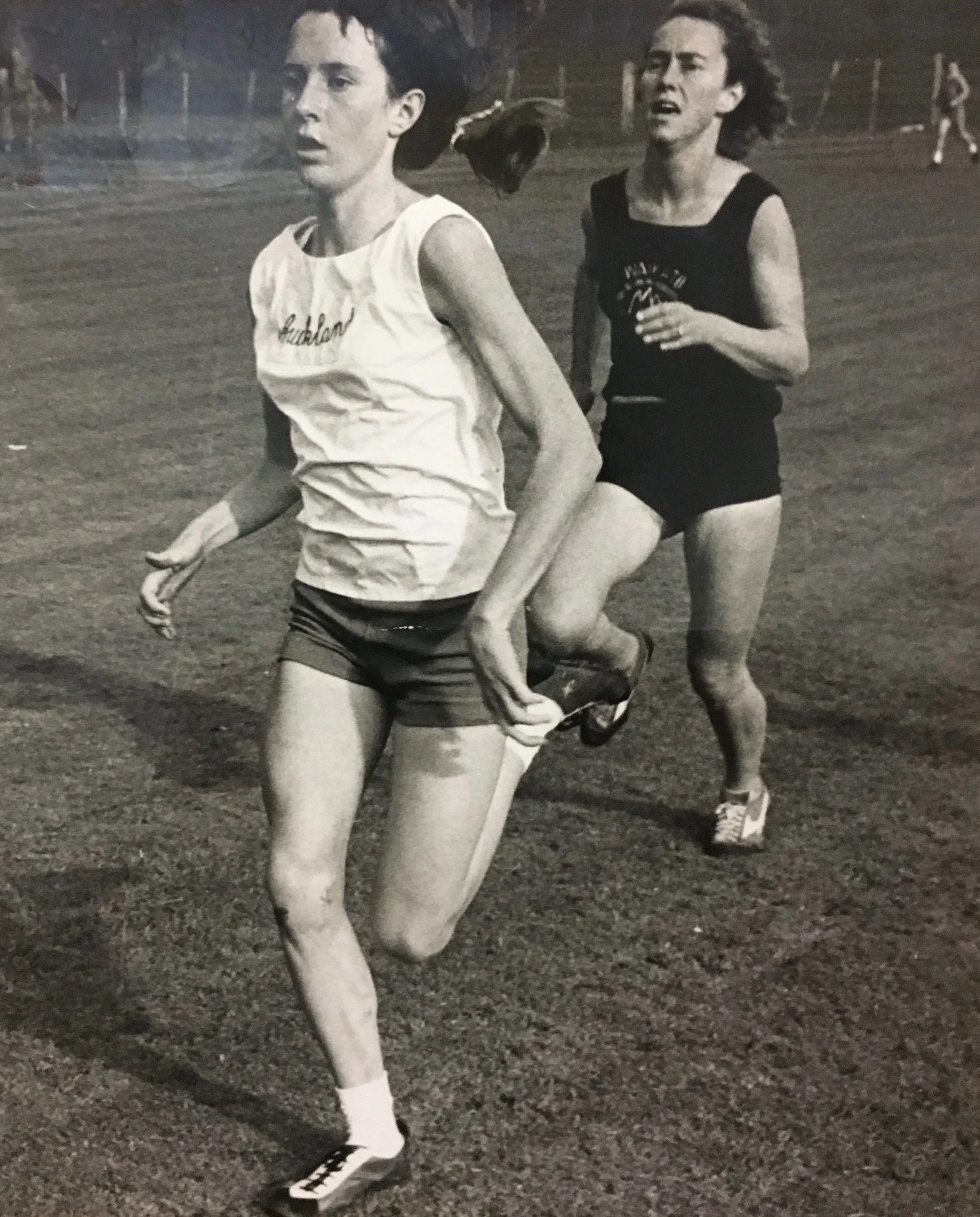
From there, Audain broke away from a toxic coaching relationship with Gordon Pirie, an Olympian and former professional runner for Great Britain. Now coached by Olympic bronze medalist and fellow New Zealander John Davies, Audain began to compete in the U.S. road running circuit, signing her first professional contract with Nike in 1981 (for which she is believed to be the first professional female distance athlete). She was also subsequently banned from amateur competition after accepting prize money at the Cascade Run Off, a 15K race in Portland, Oregon, organized by Nike co-founder Phil Knight.
In 1982, the ban was lifted, and Anne went on to have a storied career, breaking several course records at various U.S. road races, as well as winning New Zealand's first women's gold medal at the 1982 Commonwealth Games in Brisbane, Australia, in the 3,000 meters and then a silver medal at the 1986 Commonwealth Games in Edinburgh, Scotland, in the 10,000 meters. In between, she attempted to move up to the marathon for the 1984 Los Angeles Olympic Games, as the 5,000 and 10,000 meters weren't yet added as events. Due to inexperience in the event, she struggled in the event's hot conditions and dropped out at Mile 21.
"I chose to do [the marathon], but I hated every moment of it, and the reason was that I was scared for my feet [and thought] there was no way I should be pushing them over 26 miles," she says. "I'm lucky to be doing what I'm doing. I don't think the 26-mile event is right for me, and it wasn't, but that was the only thing I had if I wanted to go to the 1984 Olympics."
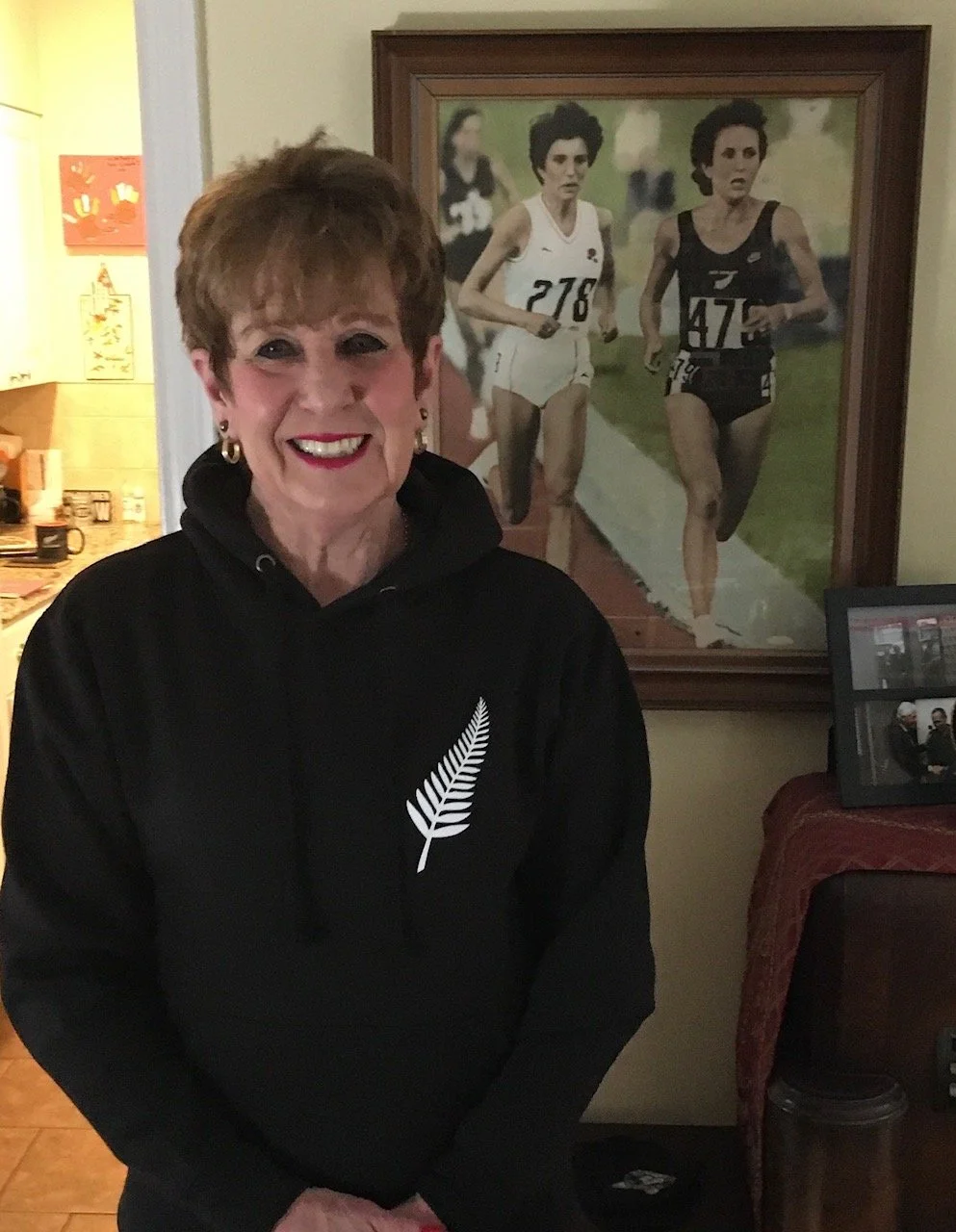
After placing 11th in the 10,000 meters at the 1990 Commonwealth Games in her hometown of Auckland, Audain retired from competition. Now 70, Audain is based in Evansville, Indiana with her husband, where she is also a proud stepmother and grandmother. Running continues to be a part of her life, as she goes on five- to six-mile runs or walks just about every day.
"So far, my feet are good, and I think that's because I retired when I did, and didn't push them too far," she says. "[I'm proudest of] the consistency and longevity that I stayed at the top for so long, and that's a credit to [Davies]."
Emilia Benton is a Denver-based freelance journalist who contributes regularly to Runner's World, SELF, Yahoo and more. Emilia is also a 14-time marathoner and USATF Level 1 running coach. You can follow her on Instagram at @emiliambenton, or visit her website at emiliabenton.com.